
Parents who have a child who acts aggressively may feel scared and alone, especially when it starts to impair their everyday lives and relationships. If you live in Arlington Heights and need help, advice, and resources to deal with your child’s aggression, NeuroHealth is here for you. We will help you understand why kids act aggressively and what you can do to assist your child learn how to deal with their feelings in a healthy way.
What Causes Aggressive Behavior in Children?
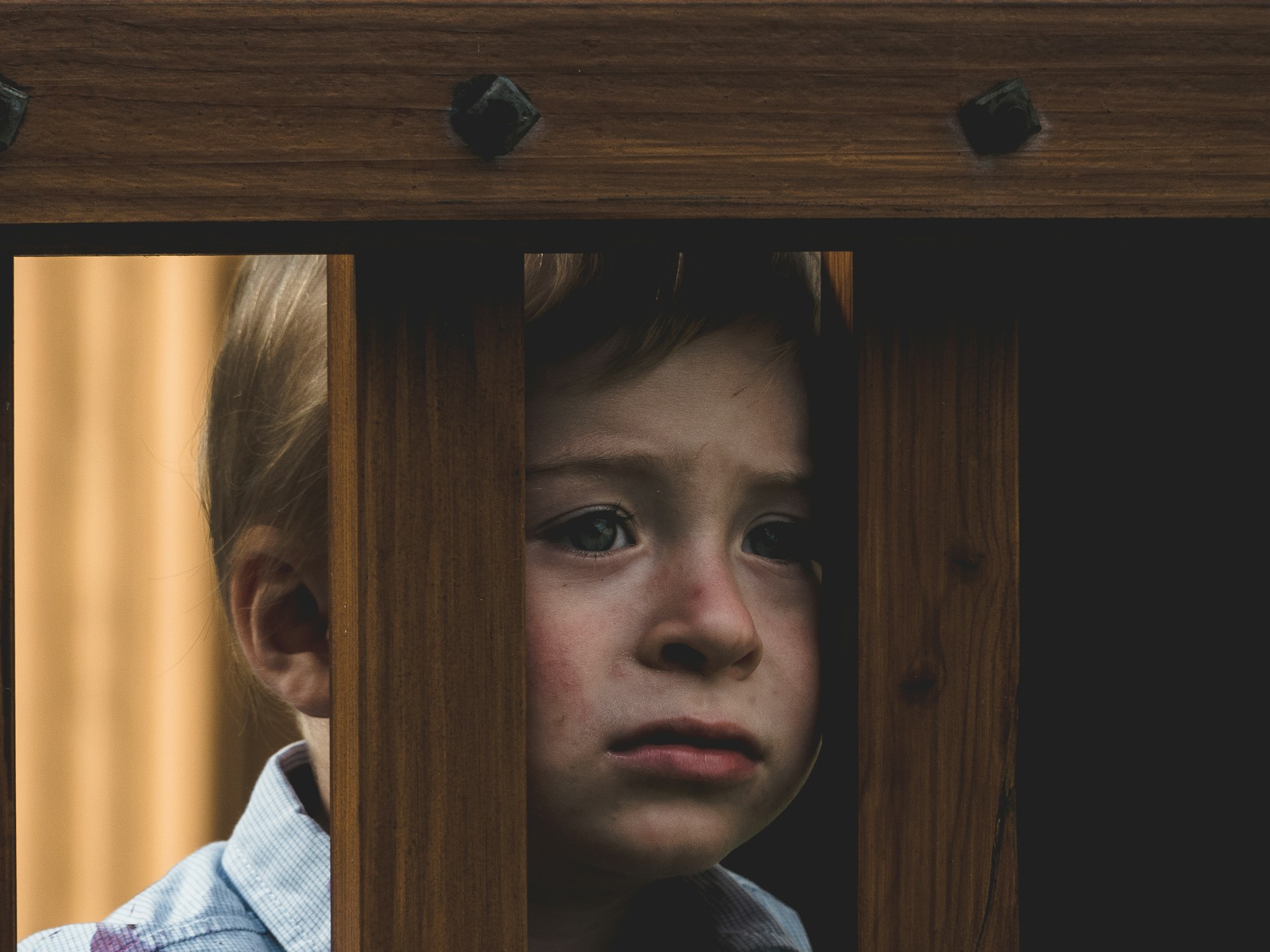
It’s different from case to case, but most child aggression is influenced by a combination of your child’s environment, psychology, and biology. Understanding the root causes can help you learn how to manage your child’s aggressive behavior. Here are some common causes of aggressive behavior in children:
- Experiencing violence, family conflict, or trauma
- Receiving inconsistent discipline
- Observing aggressive behavior in others
If you’re struggling with a child who shows aggressive behavior, you’re not alone. The World Health Organization reports that about six out of every 10 children around the world experience some form of harsh or violent discipline at home. Unfortunately, this kind of treatment can increase the chances of children acting out aggressively as they grow. In the U.S., many children who display aggressive behavior have faced early challenges such as abuse or neglect, which can deeply affect how they manage their emotions.
Biological and Neurological Factors
Of course, some children may have neurobiological predispositions to aggression. This includes:
- A brain injury or physical trauma
- Differences in how their brain chemistry works
- Genetics, including inherited traits from family
These conditions can make it harder for a child to control their impulses and emotions. Neuropsychological tests, like the ones offered by NeuroHealth, can help you find these underlying issues so you can give them the right kind of therapy.
Mental Health Conditions and Comorbidities
Aggressive behavior can often happen alongside conditions such as ADHD, oppositional defiant disorder, anxiety, or depression. If these issues aren’t treated, your child may be more prone to acting out. Getting an early diagnosis can help you and your child get the right support to break this cycle.
Normal vs. Problematic Aggressive Behavior
It’s normal for young children to sometimes show their frustration through tantrums. But this behavior becomes a concern when your child is aggressive more often than not. If the aggression is more intense than usual, harms others, or interferes with their social life and school, it may be time to get help.
Examples of aggressive behavior include:
- Hitting or biting themselves or others
- Shouting or threatening others
- Bullying or excluding others
Our specialists at NeuroHealth Arlington Heights can help you understand if your child’s behavior is part of normal development or if they may need more help.
Assessment and Diagnosis
The first step is to have your child properly evaluated. This usually involves a specialist watching how your child behaves, answering guided questions during structured interviews, and filling out standardized checklists. Local therapists and neuropsychologists perform these thorough assessments to identify any underlying issues. This helps create a personalized treatment plan that works towards your child’s needs.
Treatment Approaches and Interventions
Research shows that cognitive behavioral therapy for anger issues in children can be helpful. This therapy teaches them to recognize what feelings or situations may be triggering them in the first place. The goal is to help them learn better ways to control their behavior and solve problems more calmly, even when they are triggered. Other helpful pediatric therapy options include:
- Play therapy
- Parent-child interaction therapy
- Social skills training
These are all designed to support your child’s emotional well-being.
Parent Management Training and Family Therapy
The most effective treatment will often include the parents, too. Parent management training teaches you how to use consistent and positive discipline techniques as well as how to encourage and reinforce your child’s good behavior. Family therapy can also help; talking things through together with a therapist can help identify and address other family issues that might be causing or contributing to your child’s aggressive behavior.
Child-Focused Therapy
At NeuroHealth Arlington Heights, our therapeutic programs are designed specifically for children. We offer a mix of talk therapy, behavior coaching, and exercises that help your child manage their emotions. Our personalized sessions help your child build coping skills and gradually reduce their aggressive outbursts over time.
School-Based Interventions
As children spend a lot of time at school, working with your child’s school and teachers is very important. School counselors and psychologists can put behavior plans in place, help with social-emotional learning, and establish peer mediation to minimize aggression in the classroom. Our experts can provide educational advocacy services, working with you and your child’s school to coordinate these supports.
Contact NeuroHealth for Neuropsychological Testing Today
Child aggression can be really challenging for families and requires compassionate, evidence-based approaches. Luckily, there are resources available, including therapy, family support, school collaboration, and specialized assessments. If your child is showing persistent aggressive behavior and you’re looking for a comprehensive evaluation and treatment plan, visit us at NeuroHealth Arlington Heights to learn more about our expert neuropsychological testing and customized therapy plans. Contact us to schedule an assessment today.
Photo by Tadeusz Lakota on Unsplash