
Parenting a child who always needs to be in charge wears you down in ways that are genuinely hard to explain to people outside your home. Decisions become negotiations. Transitions turn into standoffs. After a while, you start wondering whether what you’re seeing is just a strong personality or something that deserves a closer look. At NeuroHealth Arlington Heights, we work with families across the northwest suburbs who are asking that exact question, and we know how much clarity matters. If you’re ready to talk with someone now, reach out to our team anytime. If you want to understand what you’re seeing first, keep reading.
When Your Child Always Needs to Be in Charge
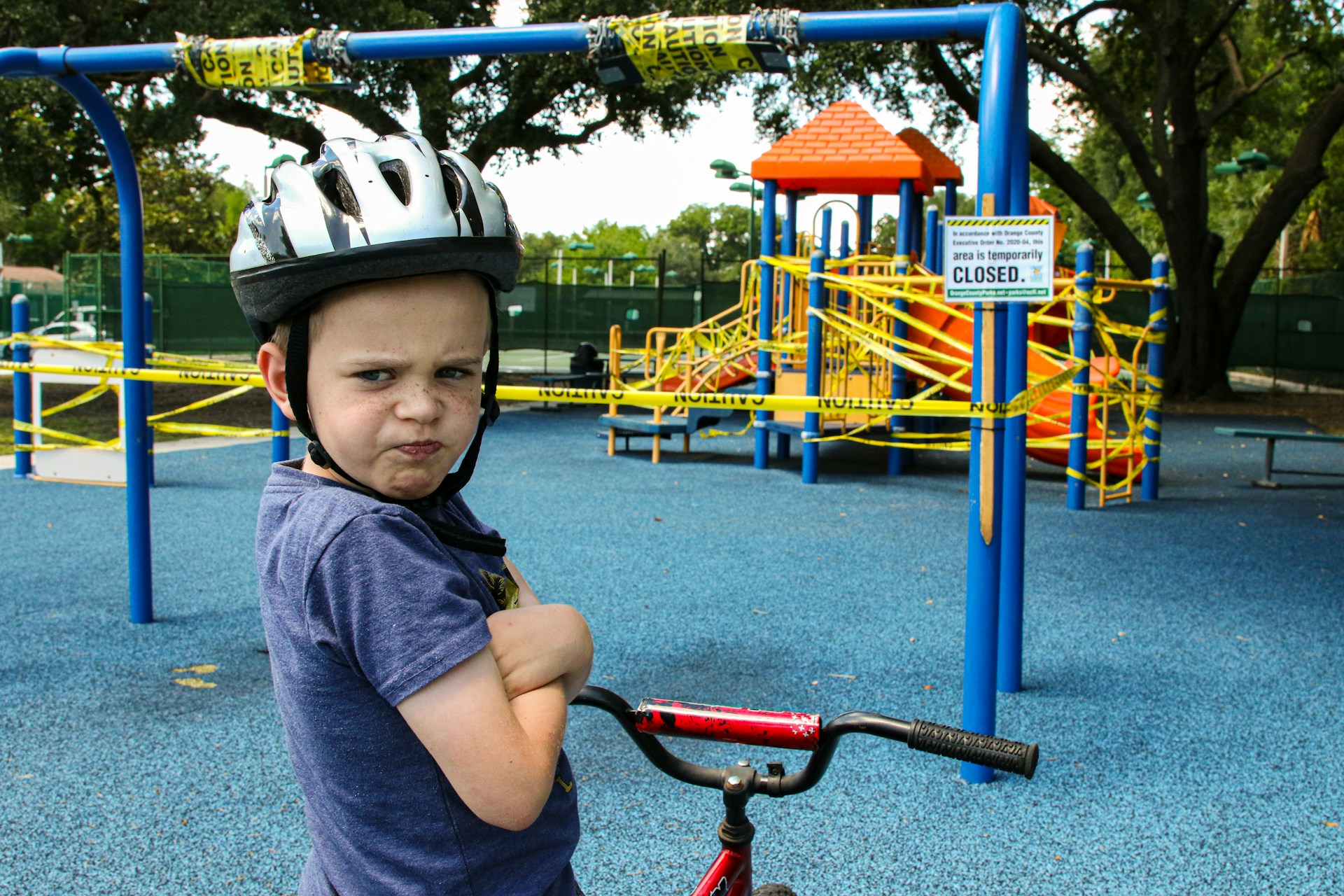
Some children seem wired to take over. They dictate the rules of every game, resist instructions that don’t match their preferences, and fall apart when the world doesn’t cooperate with their expectations. A certain degree of assertiveness is healthy in children, but controlling behavior becomes a concern when it consistently disrupts family life, friendships, and everyday functioning.
Controlling behavior also rarely looks the same from one child to the next. In younger children it might show up as rigidity and tantrums, while in older kids and teens it can evolve into emotional pressure, manipulation, or persistent power struggles. To understand what’s happening, you have to look beyond the behavior itself and ask why a child feels compelled to keep such tight control in the first place.
Common Signs of a Controlling Child to Watch For
Controlling behavior in children exists on a spectrum, and the signs often overlap with other emotional or developmental challenges. That overlap is precisely why patterns matter more than isolated incidents.
Rigid Rules, Meltdowns, and Resistance to Change
One of the most recognizable signs is an intense attachment to rules and routines, particularly ones the child has created. These children insist that games be played their way, that household routines follow a specific order, and that any deviation is unacceptable. When those rules are disrupted, even unintentionally, the emotional response can be disproportionate and exhausting.
This rigidity isn’t simple stubbornness. For many children, strict rules and predictable routines serve as a buffer against anxiety. When the world feels uncertain or overwhelming, maintaining control over small details creates a temporary sense of safety. Transitions can be especially difficult because they represent a loss of that control, whether a child is switching activities mid-afternoon or adjusting to a completely different environment at school.
Bossiness, Manipulation, and Social Control
Controlling behavior shows up clearly in social settings too. A child who consistently dictates how peers should play, reassigns roles to maintain dominance, or pressures siblings into compliance is showing signs that go beyond typical childhood assertiveness. These children often struggle to share decision-making or adapt when others have different ideas.
Manipulation is another layer to watch for. Some children use guilt, emotional outbursts, or persistent pressure to steer outcomes their way. This isn’t always calculated or conscious, but it strains friendships and family relationships over time. When other children begin avoiding a child because interactions feel one-sided or stressful, the social consequences become hard to ignore.
Power Struggles and Emotional Coercion in Older Children
As children move into the pre-teen and teenage years, controlling behavior can take on more sophisticated forms. Adolescents may use sulking, silence, or escalating conflict to wear down parental boundaries. What looked like tantrums in early childhood can look more like a deliberate standoff, though it’s usually still driven by anxiety rather than cold calculation.
In older children, this pattern frequently connects to identity development, fear of failure, or long-standing anxiety that was never adequately addressed. A teenager who rigidly controls situations is often one who feels deeply insecure beneath the surface. Recognizing that connection changes how parents engage with these situations.
Why Some Children Develop Controlling Behaviors
Controlling behavior doesn’t emerge from nowhere. There are usually identifiable patterns, histories, or neurological factors that explain why a child relies so heavily on control. Understanding those causes helps parents move from frustration to something more useful.
Anxiety, Predictability, and the Need for Control
Anxiety is one of the most common drivers. Clinicians at the Child Mind Institute note that behavior which looks oppositional or defiant is frequently generated by unrecognized anxiety, with children reacting to situations that make them uncomfortable rather than trying to be difficult. When a child feels uncertain about what will happen next, or lacks confidence in their ability to manage unexpected situations, they often compensate by trying to control every variable within reach. What looks like bossiness or defiance can be a fear response rather than a bid for dominance.
This is why anxious children tend to become more controlling in environments they perceive as unpredictable, including social situations, new settings, or moments of family stress. Fear is what’s actually driving the behavior. Control just happens to be the tool the child has landed on.
Attachment, Trauma, and Developmental Patterns
A child’s early experiences of safety and consistency shape how they relate to the world around them. Children who have experienced instability, inconsistent caregiving, or early trauma may develop controlling behavior as a way to feel secure. For some of these children, control can become a way to create a sense of safety when consistent security has been hard to establish.
Developmental patterns also play a significant role. Neurodiverse children, including those with ADHD, autism spectrum profiles, or sensory processing differences, often experience the world as unpredictable or overwhelming. Controlling behavior in these children may reflect sensory discomfort, difficulty with cognitive flexibility, or heightened emotional sensitivity rather than willful defiance. Our neuropsychological assessments often reveal these underlying patterns, giving families a much clearer picture of what’s actually happening.
Is It a Phase or a Persistent Pattern? What Illinois Parents Should Know
Most children go through stages where they assert themselves more forcefully, test limits, or become temporarily inflexible during periods of stress or transition. A child who becomes controlling during a family move or a school change may simply be responding to circumstance. That’s very different from a child whose controlling behavior is constant, pervasive, and escalating regardless of context.
The key questions to ask are whether the behavior is intensifying over time, whether it’s showing up at home, at school, and in friendships, and whether your child seems genuinely distressed when not in control. If most of those answers are yes, a passing phase is less likely. Families in Arlington Heights, Schaumburg, Palatine, Buffalo Grove, and Mount Prospect who are uncertain don’t have to guess. A structured evaluation can replace speculation with clarity.
How to Respond to Controlling Behavior With Empathy and Consistency
Reacting to controlling behavior with equal force rarely works. Meeting a power struggle with a counteroffensive typically escalates the situation without addressing what’s underneath it. A more effective approach combines genuine empathy with steady, non-negotiable limits.
Children who rely on control need to know that their environment is safe and their feelings are valid. They also need adults who hold firm, because inconsistency actually increases anxiety in children who are already struggling to feel secure. Empathy and boundaries work best together, not as competing philosophies.
Offer Structured Choices Without Surrendering Boundaries
Structured choices are a technique that tends to work well in practice. Instead of issuing directives that invite resistance, parents can offer children a limited set of options within a defined boundary. Rather than telling a child when to start homework, a parent might ask whether they’d prefer to start at 4:00 or 4:30. The boundary (homework gets done) stays intact, but the child experiences a genuine sense of agency within it.
This approach works because it speaks directly to what the child actually wants. Children who display controlling behavior aren’t usually trying to overpower anyone; they want to feel like they have some say in their own life. Structured choices honor that need without dismantling the structure that children actually depend on.
Address the Underlying Emotional Need, Not Just the Behavior
When a child melts down because a game didn’t go their way, the visible behavior is the outburst. The emotional need underneath might be fear of failure, anxiety about peer rejection, or a generalized sense of helplessness. Responding only to the outburst misses the point and often reinforces the cycle.
Parents who take a moment to name the emotion, something like “It sounds like it felt really unfair when the rules changed,” create an opening for connection that these children rarely experience. Over time, this kind of emotional validation reduces the child’s need to control their surroundings, because they begin to feel understood rather than managed. These strategies take real practice, and many families we work with in the Arlington Heights area find that working alongside a trained therapist makes them significantly more effective. Our therapy services are designed to support both children and parents through exactly this kind of work.
When Controlling Behavior May Signal a Need for Professional Support
There’s no precise threshold that tells a parent when to seek help, but certain signs make a strong case for evaluation. If your child’s controlling behavior is frequent and intense, if it’s causing consistent distress at home or school, if friendships are being damaged, or if your attempts to set limits consistently escalate into crisis, those are meaningful signals.
Controlling behavior that doesn’t respond to thoughtful, consistent parenting may have neurological, psychological, or developmental roots that aren’t visible from the outside. Several conditions are sometimes associated with controlling patterns, including anxiety disorders, OCD, and ADHD, as well as trauma responses and difficulty regulating emotions. None of these are things parents should try to identify on their own. We mention them here not as a self-diagnosis checklist, but as reasons to seek professional evaluation. When one of these conditions is present, a child may genuinely lack the internal resources to regulate without targeted support, and parenting strategies alone often aren’t enough.
This is where the distinction between assessment and therapy matters. Assessment, specifically pediatric neuropsychological testing, identifies what’s driving the behavior. Therapy works through it. Both are services our team at NeuroHealth Arlington Heights provides, and for many families, the clearest path forward starts with understanding what’s actually happening beneath the surface.
Take the Next Step: Pediatric Neuropsychological Testing in Illinois
What Our Evaluation Process Looks Like
For families in the northwest suburbs of Chicago who are concerned about their child’s controlling behavior, NeuroHealth Arlington Heights offers a thorough evaluation process. Our practice has served children and families for over 30 years, staffed by master’s and doctoral-level clinicians with deep expertise in pediatric neuropsychology.
Pediatric neuropsychological testing evaluates how a child processes information, manages attention, regulates emotion, and handles social situations. These assessments can identify underlying conditions such as anxiety, ADHD, autism, or learning disabilities that may be contributing to controlling behavior. With that understanding in place, our team can recommend targeted interventions including individual therapy, behavioral parent training, and school accommodation support through 504 plans or IEPs when appropriate.
Ready to Get Clarity for Your Family?
If you’ve been searching for signs of a controlling child and recognize your family in what you’ve read, you don’t have to keep figuring it out alone. Contact NeuroHealth Arlington Heights to schedule a consultation. A thorough evaluation can turn confusion into clarity and give you a real plan for helping your child.
Photo by Mick Haupt on Unsplash
